
Finding support online has never been easier. Finding good support? That's another story.
Traditional forums and social platforms can be invaluable when you're looking for people who understand what you're going through, but they also come with familiar downsides. Anonymous advice isn't always informed, conversations can spiral, and vulnerable moments sometimes attract exactly the wrong kind of attention. If you're dealing with anxiety, loneliness, a major life change, or another mental health challenge, a space with thoughtful moderation and clear boundaries can make all the difference.
That's why a new generation of peer support platforms is gaining attention. Rather than leaving conversations to chance, these services rely on trained listeners, experienced peer facilitators, or structured moderation to create environments that feel genuinely supportive. We looked at some of the strongest options available on the U.S. App Store—and one standout web platform—to see which ones offer more than just another discussion board.
OS Availability: iOS / Android
7 Cups has been around for years, and it's still one of the first names people mention when they're looking for anonymous emotional support. It sits somewhere between a community platform and a mental health service, giving users access to both trained volunteers and licensed therapists.
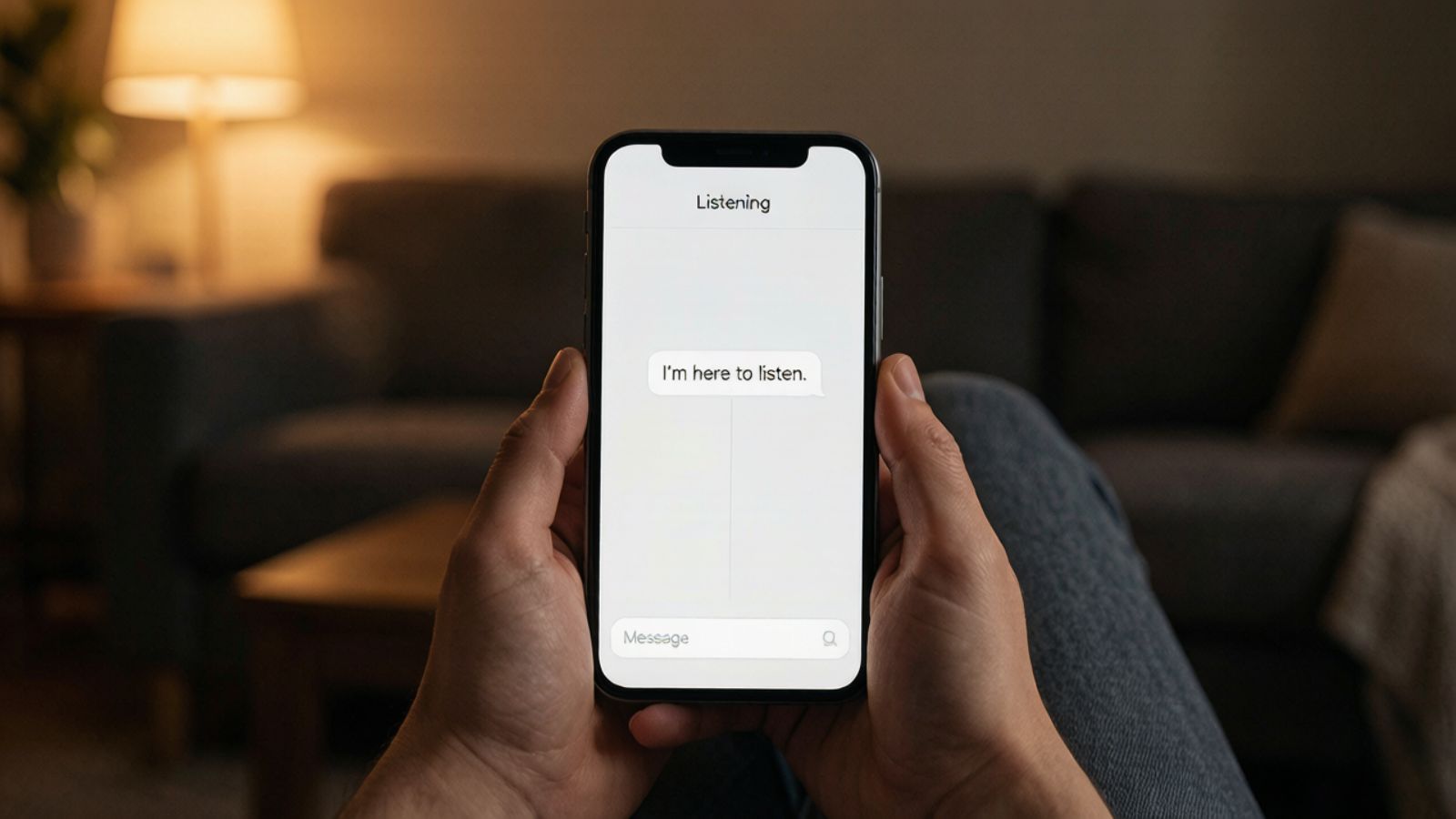
The Reality Check: What makes 7 Cups different is its On-Demand Listener Network. In many cases, you can begin chatting with a trained volunteer in about a minute. These listeners aren't simply other users scrolling through a feed—they complete active listening training designed to help them respond with empathy instead of judgment. While they're not a replacement for professional therapy, they can provide meaningful support when you simply need someone to listen.
Pricing: Free access to volunteer listeners; subscription required for licensed online therapy.
Pros:
Round-the-clock access to trained volunteer listeners.
Strong focus on privacy and anonymous conversations.
Includes guided exercises and personal growth resources.
Cons:
Experiences naturally vary depending on the volunteer you connect with.
Professional therapy requires a paid subscription.
OS Availability: iOS / Android
If social media often leaves you feeling more isolated than connected, TalkLife offers a very different atmosphere. The platform is built around honest conversations about mental health, with an emphasis on listening rather than performing.
The Reality Check: The biggest difference is the way the community is moderated. TalkLife combines automated moderation tools with human oversight to reduce bullying, harmful content, and posts that could put vulnerable users at greater risk. No online community is perfect, but the extra layers of moderation help create a space that feels noticeably more supportive than many traditional forums.
Pricing: Free, with optional in-app purchases.
Pros:
Large, active community with people online throughout the day.
Better moderation than most public discussion platforms.
Comfortable environment for sharing thoughts without the pressure of likes or followers.
Cons:
The volume of activity can sometimes feel overwhelming.
Peer support isn't a substitute for professional mental health care.

OS Availability: iOS
Mindful Peer takes a quieter, more personal approach. Instead of trying to build the biggest community possible, it combines self-reflection tools with access to peer support in a way that feels intentionally low-pressure.
The Reality Check: Features like Nearby Care and the app's support tools blend personal wellness with community outreach. You can track your mood, record personal goals, and reach out for help when you're having a difficult day, all without feeling like you're posting into a crowded social feed. For users who find large communities exhausting, that smaller scale can actually be one of its biggest strengths.
Pricing: Free.
Pros:
Combines mood tracking and self-care with peer connection.
Clean interface without the distractions of a typical social platform.
Easy to use for daily emotional check-ins.
Cons:
Smaller community than more established platforms.
Currently available only on iOS.
OS Availability: iOS / Android
Wisdo is built around a simple but powerful idea: advice is often most meaningful when it comes from someone who's already walked the same path. Rather than connecting users at random, it tries to match people based on shared life experiences.
The Reality Check: Wisdo's guided peer matching is what makes the platform stand out. Whether you're coping with grief, adjusting to a medical diagnosis, navigating a breakup, or rebuilding after another major life event, the app introduces you to mentors and peers who have already faced similar challenges. Conversations tend to feel more purposeful because they're grounded in lived experience rather than general encouragement.

Pricing: Free with optional premium features.
Pros:
Thoughtful matching based on shared life experiences.
Encourages meaningful conversations instead of endless scrolling.
Strong emphasis on emotional safety and structured support.
Cons:
Some features take time to learn and explore fully.
The structured approach may feel less spontaneous than open community platforms.
If you want someone to talk to right away, 7 Cups remains one of the strongest choices. Its large network of trained volunteer listeners makes it easy to find compassionate support at almost any hour, especially when you need to talk before you can reach a therapist or trusted friend.
For people who value face-to-face conversation.
And if you're navigating a specific life challenge—whether that's grief, illness, or another major transition—Wisdo stands out for connecting you with people who genuinely understand your situation because they've experienced it themselves. Sometimes that's exactly the kind of perspective that helps you take the next step.