
For a lot of people, the first thing they do each morning is check last night's Sleep Score. A good number feels reassuring. A bad one can sour your mood before you've even had coffee. The problem? That score is really just a summary of what already happened. It doesn't tell you how to sleep better tonight.
If you've been chasing higher sleep scores without actually feeling more rested, your circadian rhythm may deserve more attention than your sleep stages. Think of it as your body's internal clock—a system that influences when you naturally feel alert, sleepy, hungry, and energized throughout the day. When that clock drifts out of sync, even a full night's sleep can leave you feeling sluggish. The apps below focus less on grading your sleep and more on helping you build habits that keep your internal clock on track.
OS Availability: iOS / Android
RISE takes a different approach from many sleep apps. Rather than obsessing over sleep stages—which consumer wearables still estimate imperfectly—it focuses on two concepts backed by sleep science: sleep debt and your circadian rhythm.
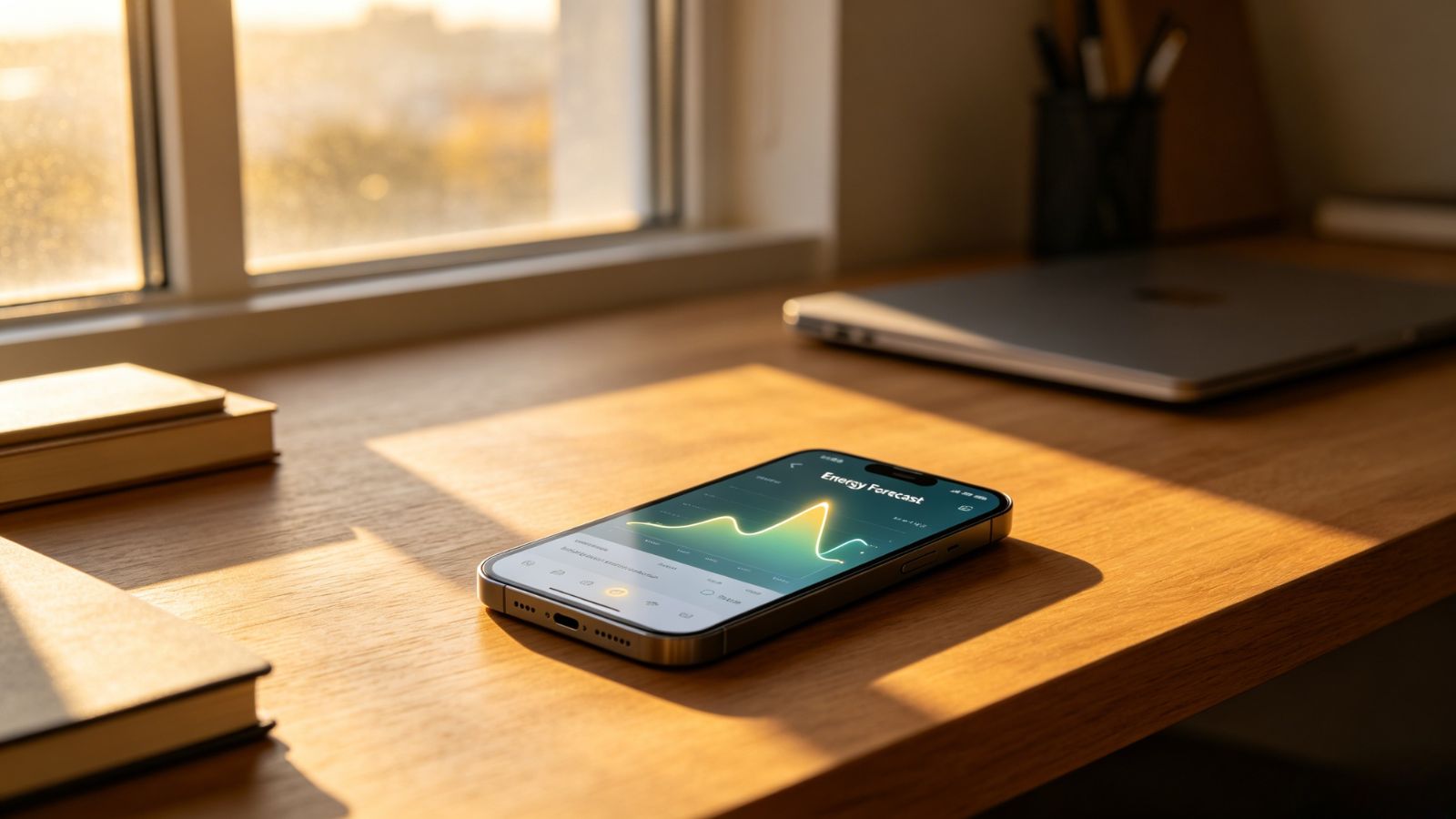
What makes it useful: Instead of simply telling you how well you slept, RISE predicts when you'll naturally have the most energy during the day. It identifies your personal Melatonin Window, recommends ideal bedtimes, and even suggests when to stop drinking caffeine if you want to avoid disrupting your sleep later that night. The result feels less like a report card and more like a daily schedule built around how your body actually works.
Pricing: Subscription required (monthly or annual).
Pros:
Prioritizes actionable guidance instead of vanity metrics.
Personalized daily energy forecasts.
Practical recommendations based on established sleep research.
Cons:
Subscription may be difficult to justify if you only need basic sleep tracking.
OS Availability: iOS / Android
Most people know Oura for its smart ring, but the software has become just as compelling. Its strength isn't simply collecting sleep data—it's helping you understand whether your daily habits are aligned with your body's natural rhythm.
What makes it useful: The Body Clock feature compares when you're actually sleeping with when your body appears to function best. If your bedtime consistently drifts later than your natural rhythm prefers, the app makes that gap easy to spot. Seeing the mismatch visually often makes gradual schedule adjustments feel much more achievable than simply being told to "sleep earlier."
Pricing: Requires an Oura Ring plus a monthly membership.
Pros:
High-quality physiological data collected through the ring.
Adapts to changes in your sleep patterns over time.
Clear visualizations that are easy to interpret.
Cons:
Hardware purchase and ongoing subscription create a relatively high cost of entry.
OS Availability: iOS / Android
WHOOP has earned a loyal following among athletes, but one of its most valuable features applies to almost anyone: consistency. Instead of encouraging you to chase perfect sleep every night, it rewards the habit of going to bed and waking up at similar times.
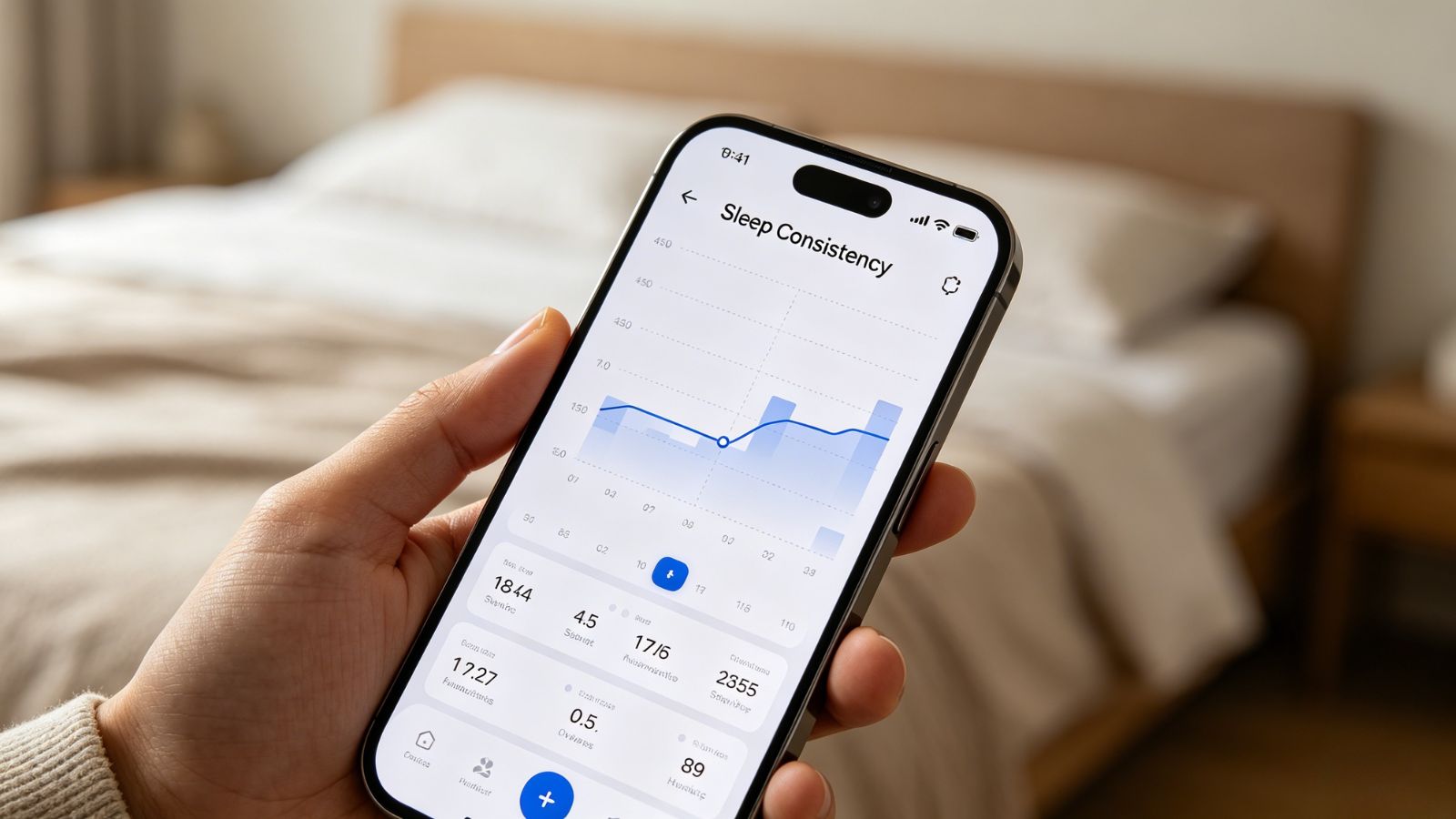
What makes it useful: WHOOP tracks Sleep Consistency, measuring how stable your bedtime and wake-up schedule remain over several days. That may sound simple, but consistency is one of the strongest signals your circadian rhythm relies on. Combined with the Sleep Planner, the app helps you balance recovery needs with a schedule your body can actually maintain.
Pricing: Subscription includes the wearable.
Pros:
Strong emphasis on healthy routines rather than isolated nights of sleep.
Helpful Sleep Planner based on your activity and recovery.
Rich recovery data for users who enjoy detailed analytics.
Cons:
No free version or standalone app option.
If frequent travel is what throws off your sleep—not everyday habits—Timeshifter stands in a category of its own. It was built specifically to help your body adapt to new time zones as efficiently as possible.
What makes it useful: Rather than monitoring sleep after the fact, Timeshifter tells you exactly when to seek sunlight, avoid bright light, drink caffeine, or take a nap based on your travel itinerary. Those recommendations are grounded in circadian science, with light exposure serving as the primary tool for shifting your internal clock. It's a practical guide you can actually follow while traveling instead of guessing your way through jet lag.
Pricing: First plan is free; additional plans require payment or a subscription.

Pros:
Designed specifically for jet lag and time-zone adjustment.
Personalized schedules based on your flights.
Developed with sleep and circadian researchers.
Cons:
Not intended as an everyday sleep tracker.
OS Availability: iOS / Android
Not everyone wants to wear a ring or wristband every night. Sleep Cycle remains one of the strongest options for people who prefer using only their phone while still gaining useful insights into their sleep schedule.
What makes it useful: Its signature Smart Alarm aims to wake you during a lighter stage of sleep within a chosen time window. While no alarm can guarantee a perfect morning, waking during lighter sleep often feels less jarring and makes it easier to stick to a consistent wake-up time—a habit that matters far more for circadian health than many people realize.
Pricing: Free version available; Premium unlocks additional analysis and long-term trends.
Pros:
No wearable device required.
Easy way to monitor long-term sleep timing.
Accessible for beginners.
Cons:
Doesn't capture physiological data as accurately as dedicated wearable devices.
If your goal is to improve your daily energy—not simply earn a higher Sleep Score—RISE is the standout choice. It shifts the conversation away from sleep grades and toward the habits that shape how alert and rested you actually feel throughout the day.
For people who enjoy seeing their data presented visually, Oura makes it remarkably easy to spot when daily routines are drifting away from your body's natural rhythm. And if your biggest challenge is crossing time zones or working irregular hours, Timeshifter offers some of the most practical, science-based guidance available for getting your internal clock back on schedule.
At the end of the day, the healthiest circadian rhythm isn't built by chasing perfect numbers. It's built through consistent habits, realistic routines, and a better understanding of how your body responds to time—not just how it slept last night.