
If you’ve spent any time shopping for groceries lately, you’ve probably noticed a growing tension: the foods we’re encouraged to buy—organic produce, grass-fed meat, clean-label pantry staples—are often the same items that strain our monthly budgets the most.
Most people want to eat better. The problem is that “better” usually comes with a higher price tag.
In 2026, however, saving money on groceries isn’t just about clipping coupons or chasing weekly flyers. It’s about using real-time data, cashback systems, and food waste networks that connect shoppers directly to discounts and surplus inventory.
We looked at some of the most widely used grocery savings apps today, focusing on real usability: Do they actually help you save money in everyday life, or are they just marketing-heavy platforms with limited value?
Here are five apps that consistently stood out.
Flashfood is one of the most practical apps for saving money on real food—especially fresh produce. It partners with grocery stores to sell items that are nearing their best-before date but are still perfectly safe and high quality.
The biggest advantage is that you’re not buying “damaged goods” or low-quality leftovers. In many cases, you’ll find organic fruits, vegetables, meat, and dairy at significantly reduced prices simply because they need to be sold quickly.
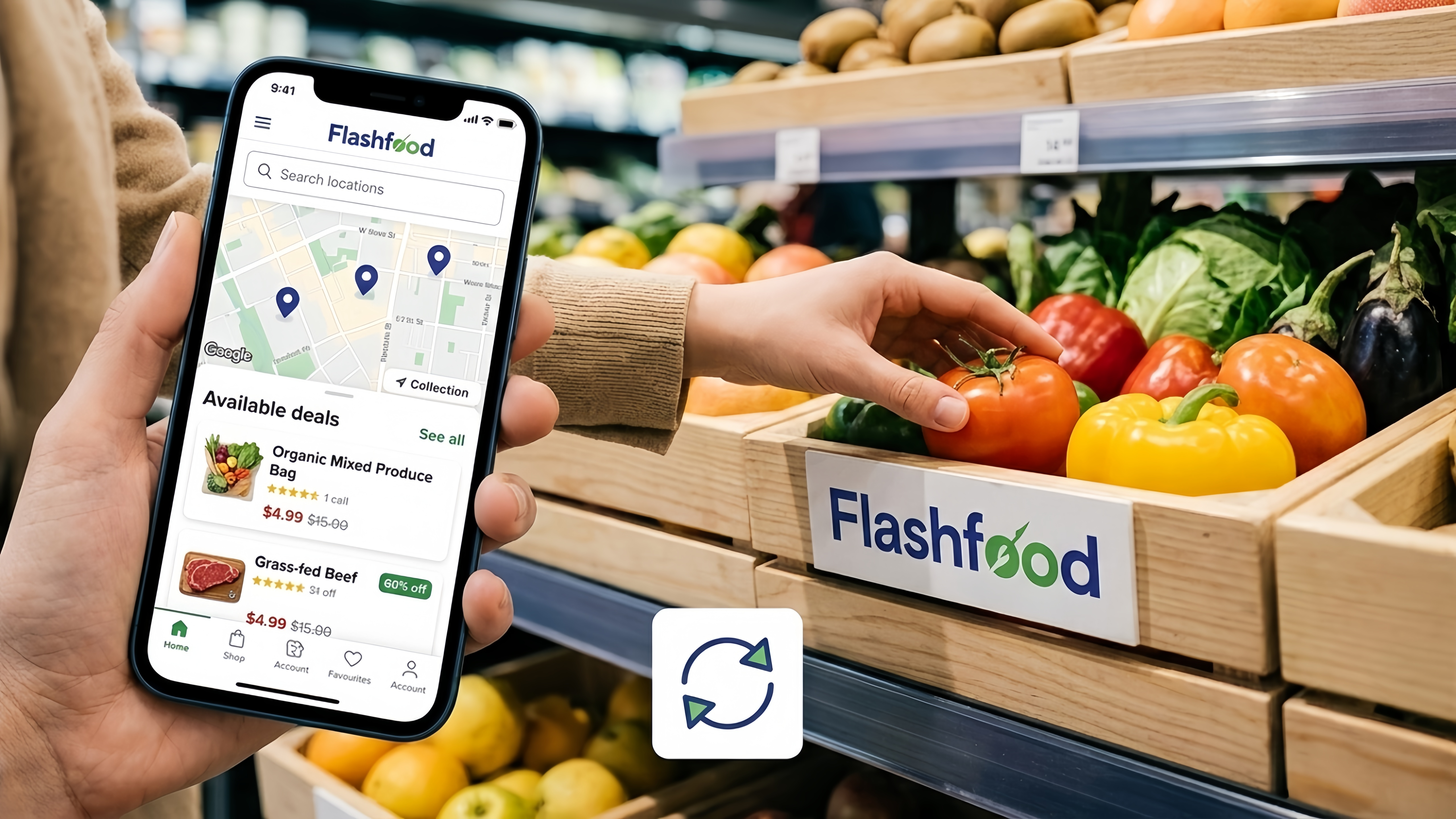
In real-world use, the app functions like a live marketplace inside your local grocery ecosystem. You browse available deals, purchase directly in-app, and then pick up your items in-store.
Significant discounts on fresh groceries
Helps reduce food waste
Often includes organic and high-quality items
Simple in-app checkout process
Availability depends heavily on local store partnerships
Requires in-store pickup
Inventory changes quickly
Shoppers who want fresh groceries at lower prices while reducing food waste.
Flipp is one of the most useful tools for anyone who shops across multiple grocery stores. Instead of manually checking weekly flyers or store apps, Flipp aggregates local promotions into one searchable platform.
You can search for specific items like “organic strawberries” or “almond milk,” and instantly see which nearby store is offering the best price.
This makes it especially powerful for families or budget-conscious shoppers who want to plan their grocery trips strategically rather than impulsively.
Aggregates weekly deals across stores
Easy price comparison tool
Strong shopping list features
Helps maximize savings on specific items
Can feel overwhelming due to volume of deals
Includes sponsored or promotional listings
Shoppers who want to optimize every grocery trip based on price comparisons.
Ibotta focuses on cashback rewards for grocery purchases. Instead of offering upfront discounts, it gives you money back after you shop by scanning receipts or linking loyalty accounts.
One of its strengths is the wide range of participating brands, including many organic and “better-for-you” food companies. This means you can still shop according to your preferences while earning rewards in the background.
When used consistently, Ibotta becomes a passive savings tool that accumulates value over time.
Cashback on a wide variety of grocery items
Supports organic and health-focused brands
Easy receipt scanning system
Rewards accumulate quickly with regular use
Requires manual activation of offers
Minimum payout threshold for withdrawals
Shoppers who want long-term cashback savings on regular grocery spending.
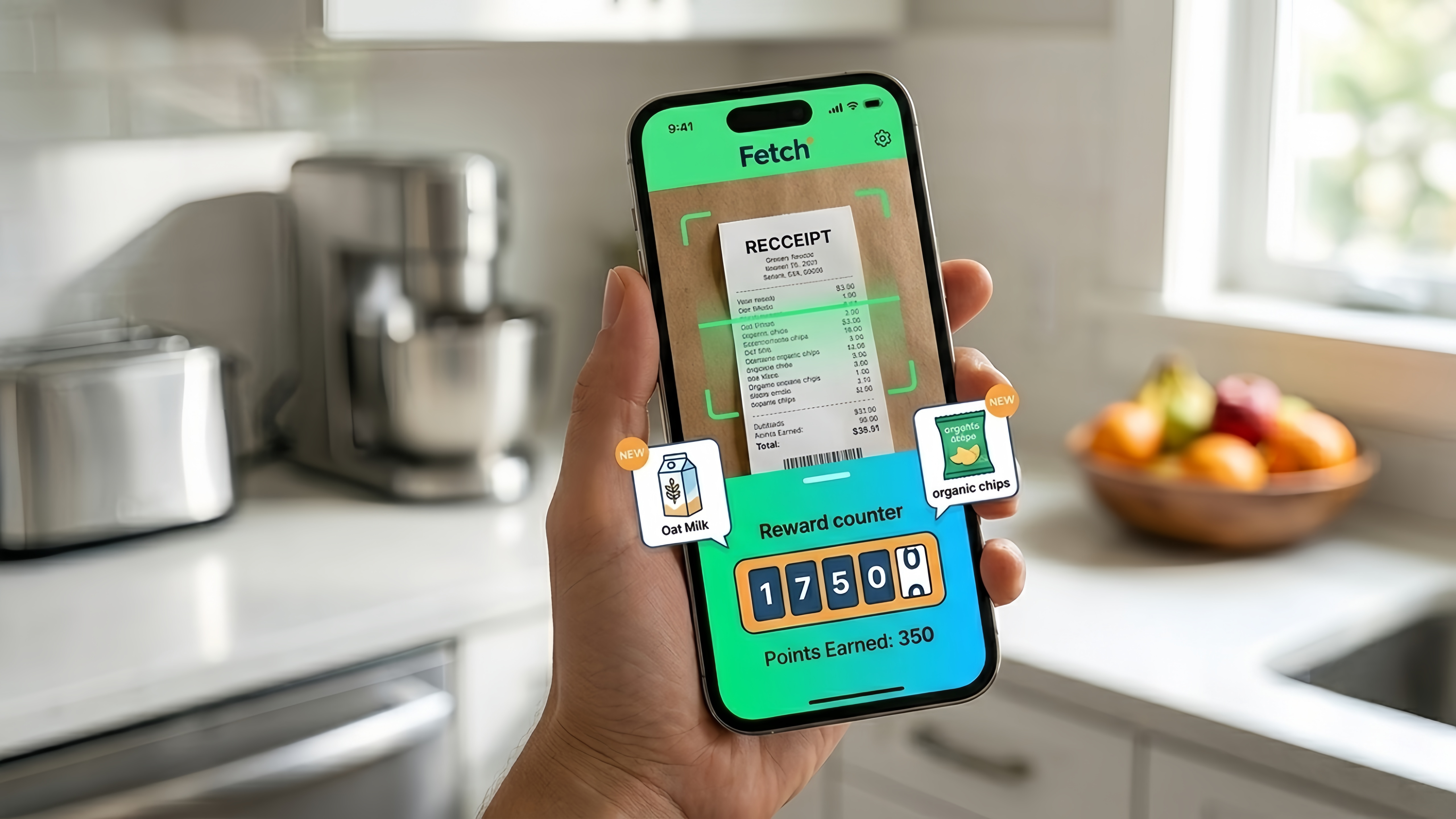
Fetch is one of the simplest grocery rewards apps available. Unlike coupon-based systems, it doesn’t require you to plan purchases in advance.
Instead, you scan any grocery receipt and automatically earn points. Certain brands—many of them common household and organic-friendly products—offer bonus points.
This makes Fetch especially appealing for users who don’t want to change their shopping habits but still want rewards over time.
Extremely easy to use
Works with almost any grocery receipt
Bonus rewards for partner brands
No need to pre-select offers
Lower rewards on non-partner products
Requires frequent scanning to earn meaningful rewards
Users who want effortless rewards without changing their shopping behavior.
Too Good To Go replaces what used to be the “imperfect food delivery” category in this list, but with a much stronger and more widely adopted platform.
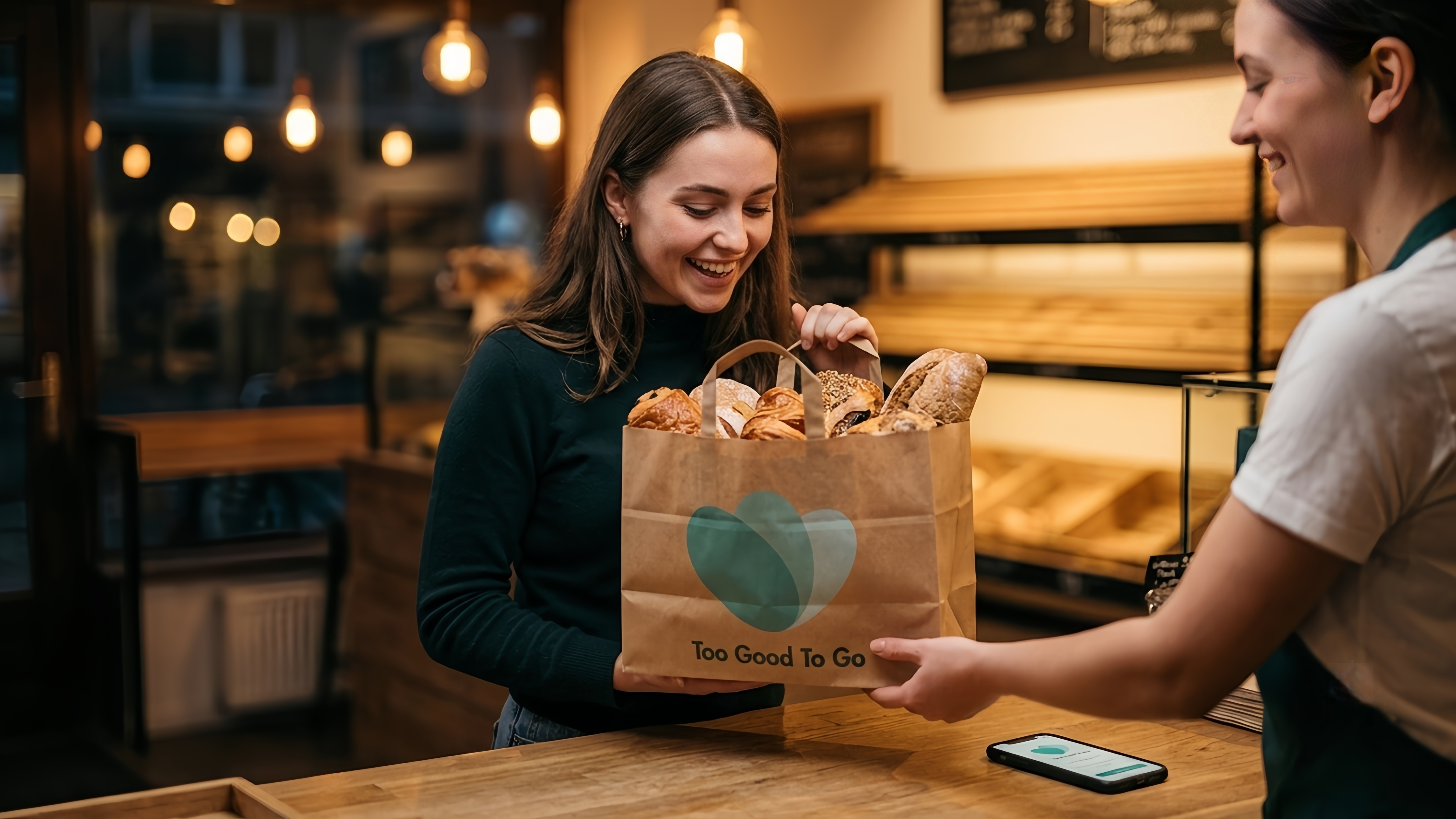
The app connects users with restaurants, bakeries, and grocery stores that have surplus food at the end of the day. Instead of being thrown away, this food is sold in “surprise bags” at heavily discounted prices.
While you don’t always know exactly what you’ll get, the value is consistently strong, and the environmental impact is significant.
Deep discounts on surplus food
Strong food waste reduction impact
Includes restaurants, bakeries, and grocery stores
Very affordable entry price point
Limited control over exact items received
Availability varies by location and time
Budget-conscious shoppers who also want to actively reduce food waste.
The most effective savings strategy doesn’t rely on just one app—it combines them based on purpose:
Use Flipp to plan where to shop
Use Flashfood and Too Good To Go to buy discounted fresh or surplus food
Use Ibotta to earn cashback on planned purchases
Use Fetch for passive rewards on everything you already buy
Together, they create a layered savings system that works across planning, purchasing, and post-shopping rewards.
Saving money on groceries in 2026 is no longer just about cutting corners—it’s about shopping smarter.
What these apps demonstrate is that discounts, sustainability, and convenience are no longer separate goals. In many cases, they overlap. Food that would otherwise go to waste becomes affordable meals. Regular grocery trips become opportunities for cashback. And price comparison tools help you avoid overpaying in the first place.
You don’t need to overhaul your entire shopping routine to see results. Even using one or two of these apps consistently can make a noticeable difference in your monthly grocery bill.
The real shift isn’t just about saving money—it’s about making better use of what’s already available.