
"Eco-friendly." "Natural." "Planet positive."
You'll see those labels everywhere, from shampoo bottles to running shoes, but they don't always mean what you think they do. As sustainability has become a selling point, plenty of brands have learned that vague environmental claims can be just as persuasive as measurable action. That's where greenwashing comes in—marketing that sounds responsible without offering much evidence behind it.
Fortunately, you don't have to rely on packaging alone anymore. A growing number of apps now pull information from independent research, ingredient databases, certification programs, and supply chain data to help shoppers make more informed decisions. Whether you're comparing clothing brands, checking what's inside a skincare product, or trying to reduce your overall environmental impact, these tools make it much easier to look past the marketing.
OS Availability: iOS / Android
If ethical fashion is your priority, Good On You is one of the most useful resources available. Instead of repeating a brand's sustainability claims, it evaluates companies against a consistent set of standards and explains how those ratings are determined.
The Reality Check: Every brand receives a rating based on three areas: People, Planet, and Animals. Scores range from "We Avoid" to "Great," giving shoppers a quick way to compare companies without digging through lengthy sustainability reports. Even better, the app often suggests higher-rated alternatives when a favorite brand falls short.
Pricing: Free.

Pros:
Transparent rating methodology based on multiple ethical factors.
Helpful recommendations for more responsible alternatives.
Covers both fashion and many beauty brands.
Cons:
Smaller or regional brands may not yet appear in the database.
OS Availability: iOS / Android
Clearya takes a different angle by focusing on what's actually inside the products you buy. Rather than judging a brand's image, it examines ingredient lists and flags substances that may raise health concerns.
The Reality Check: Whether you're browsing online retailers like Amazon, Target, or Sephora or scanning products while shopping in-store, Clearya analyzes ingredients against regulatory databases from the United States, Europe, and Japan. Instead of simply labeling a product as "clean," it explains which ingredients triggered an alert and why they may deserve a closer look.
Pricing: Free.
Pros:
Independent, donation-supported platform without advertising.
Works for both online shopping and barcode scanning in stores.
Highlights potential carcinogens, allergens, and endocrine-disrupting chemicals.
Cons:
Focuses primarily on ingredient safety rather than broader environmental impact.
OS Availability: iOS / Android
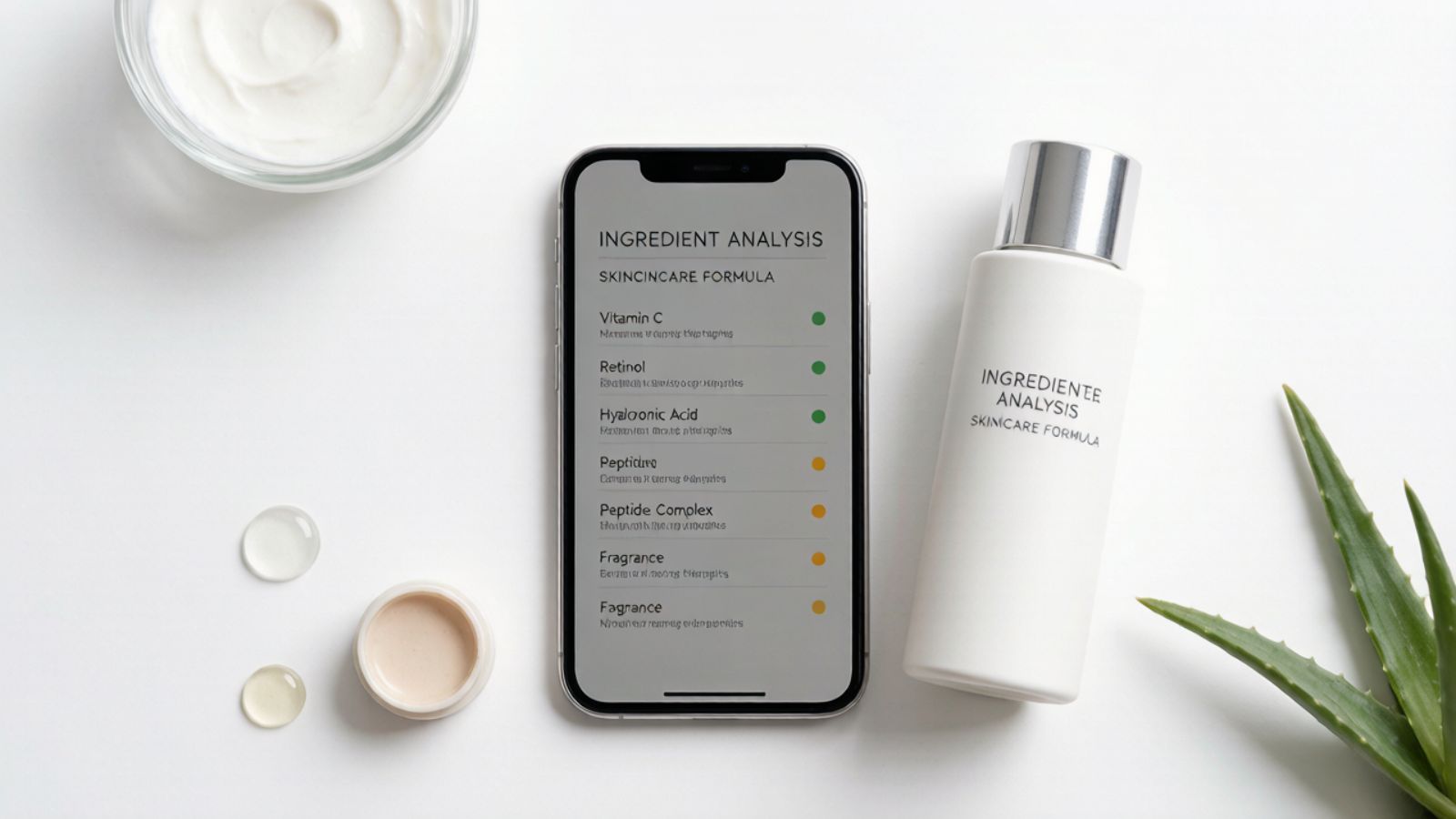
Think Dirty has been helping consumers decode beauty and personal care products for years. It's particularly useful if you've ever turned over a bottle, stared at a long list of unfamiliar ingredients, and wondered what any of them actually mean.
The Reality Check: The app's Dirty Meter assigns products a score from 0 to 10 based on ingredient safety. More importantly, it explains the reasoning behind that score in language that's easy to understand, making complicated ingredient lists far less intimidating. Instead of asking shoppers to trust a product's "natural" branding, it encourages them to look at the ingredients themselves.
Pricing: Free, with optional in-app purchases.
Pros:
Extensive database covering hundreds of thousands of products.
Easy-to-understand explanations of ingredient concerns.
Bathroom Rating feature helps track progress as you replace products.
Cons:
Places greater emphasis on ingredient safety than broader sustainability issues.
OS Availability: iOS / Android
Not every environmentally conscious decision happens in a store aisle. Earth Hero broadens the conversation by helping users understand how everyday habits—from transportation to food choices—shape their overall environmental footprint.
The Reality Check: Rather than evaluating individual products, Earth Hero focuses on long-term behavior. The app estimates your carbon footprint, suggests practical ways to reduce it, and helps you set achievable sustainability goals across different areas of daily life. It's less about finding the "perfect" purchase and more about understanding which choices are likely to have the biggest impact over time.
Pricing: Free.

Pros:
Encourages sustainable habits beyond shopping decisions.
Tracks estimated carbon emissions over time.
Includes science-informed recommendations and community initiatives.
Cons:
Doesn't specialize in barcode scanning or product verification.
OS Availability: iOS / Android
Palm oil is one of the most debated ingredients in consumer products, largely because of its connection to deforestation and biodiversity loss. PalmOil Scan focuses on this single issue, helping shoppers understand whether companies are backing up their sustainability claims with certified sourcing practices.
The Reality Check: By scanning products, the app checks whether manufacturers participate in certified sustainable palm oil programs and provides additional context about their sourcing commitments. It's a specialized tool, but for shoppers who care about deforestation and responsible supply chains, that narrow focus is exactly what makes it useful.
Pricing: Free.

Pros:
Specialized resource for evaluating palm oil sourcing.
Developed in collaboration with conservation organizations.
Quick and straightforward barcode scanning.
Cons:
Limited to palm oil and doesn't evaluate broader sustainability issues such as labor practices or plastic waste.
For fashion, beauty, and everyday ethical shopping, Good On You remains one of the strongest all-around resources. Its transparent methodology and easy-to-understand ratings make it much easier to distinguish genuine sustainability efforts from polished marketing campaigns.
If you're more concerned about ingredient transparency than brand messaging, Clearya is an excellent companion. Instead of asking you to trust labels like "natural" or "clean," it points you toward the actual ingredient list and explains what you're looking at—often the most reliable way to cut through the noise.
The biggest benefit of using any of these apps isn't that they'll tell you what to buy. It's that they'll help you ask better questions. And in a marketplace filled with environmental claims, that's often the most valuable tool you can have.