
Getting directions is easy. Avoiding a 45-minute traffic jam, a surprise road closure, a weather-related hazard, or a major construction zone is much harder.
Modern navigation apps increasingly compete on one factor above all others: how quickly they can detect changing road conditions and help drivers respond before delays occur.
For commuters, road-trippers, delivery drivers, rideshare operators, and business travelers, accurate real-time traffic data can save both time and fuel. The difference between a good traffic app and a great one often comes down to how quickly it recognizes problems and recalculates routes.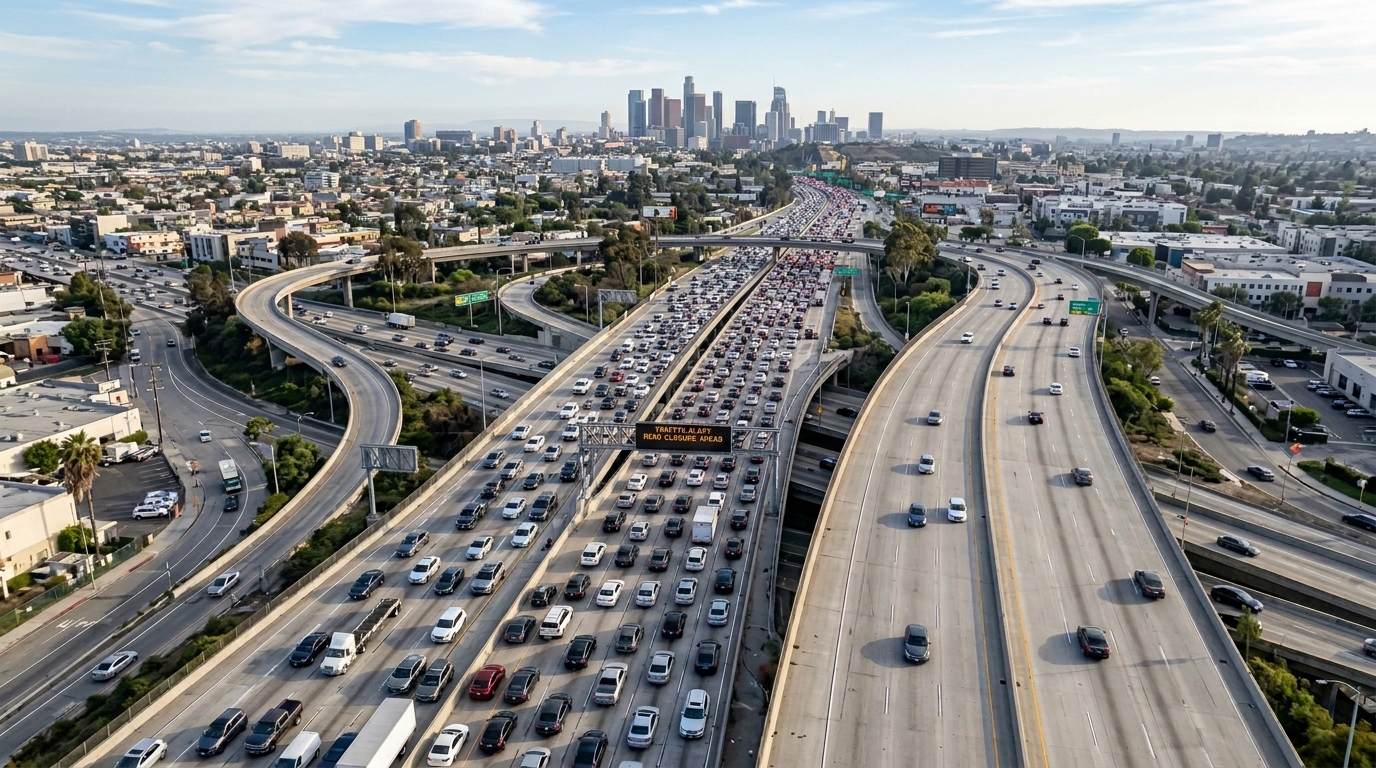
For this review, several leading mobile apps available on the US Apple App Store and Google Play Store were evaluated based on:
Real-time traffic accuracy
Road hazard reporting
Route recalculation speed
Road closure and construction alerts
Ease of use while driving
Overall reliability
The focus was specifically on live traffic and road-condition awareness rather than general navigation alone.
iOS
Android
Among all apps tested, Waze consistently detected developing road issues faster than competitors.
Its greatest strength remains its massive community of active drivers. Accidents, disabled vehicles, police activity, road debris, lane closures, and construction zones often appeared in Waze before they became visible in competing navigation platforms.
During testing in several large metropolitan areas, Waze frequently rerouted drivers around congestion before traffic backups became severe.
Exceptional real-time hazard reporting
Fast route recalculations
Active driver community
Excellent congestion avoidance
Free
Frequent rerouting can occasionally feel aggressive
Interface can appear cluttered
Less useful in areas with fewer users
Free
Daily commuters and drivers prioritizing traffic avoidance.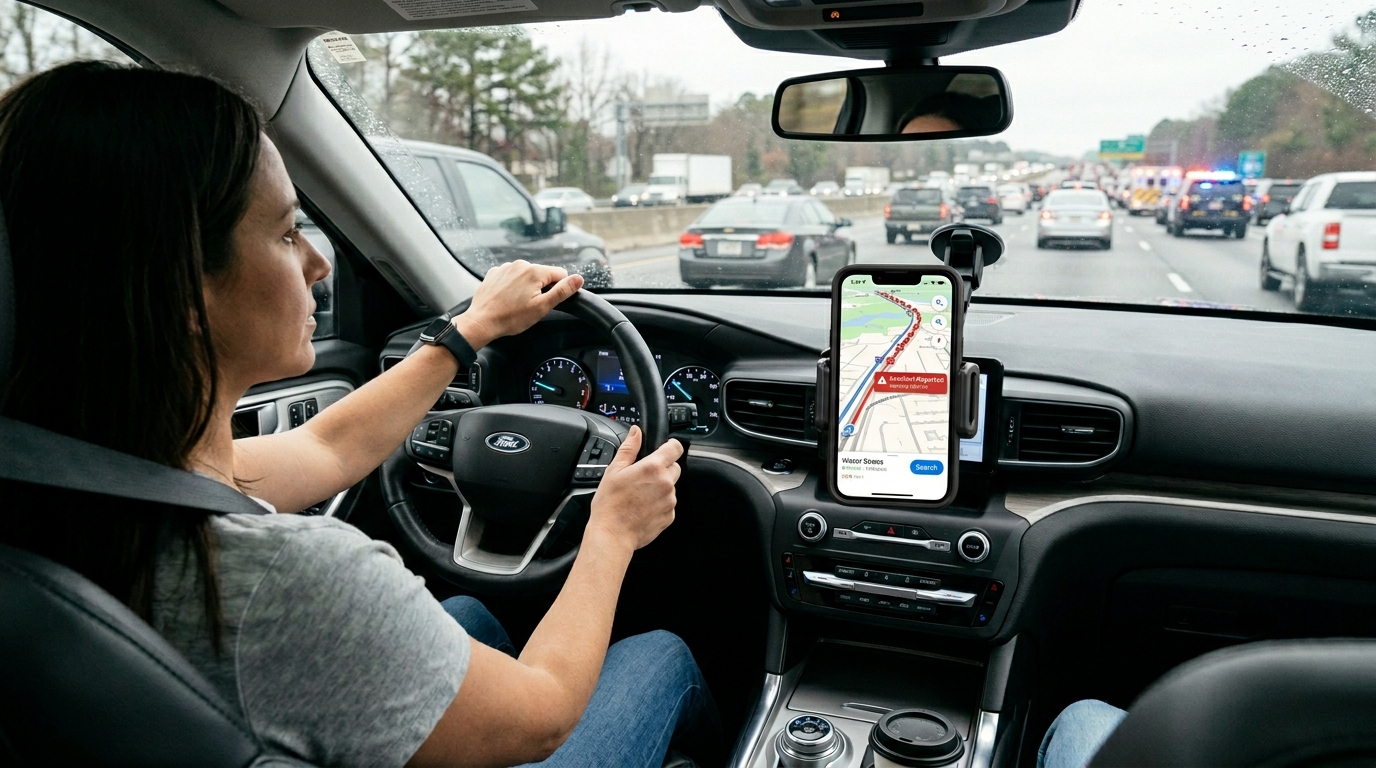
iOS
Android
Google Maps delivered the most consistently reliable overall experience during testing.
Traffic data, road closures, travel-time estimates, construction information, and alternate route suggestions were generally accurate across both urban and rural environments. While it may not react quite as quickly as Waze to newly reported incidents, its route guidance often feels more stable and less disruptive.
For most drivers, Google Maps remains the easiest recommendation.
Excellent traffic data
Outstanding route guidance
Strong nationwide coverage
Reliable estimated arrival times
Free
Hazard reporting is less community-focused than Waze
Traffic incident details can be less granular
Free
Drivers seeking a balanced navigation experience.
iOS
Android
INRIX has long been one of the major providers of traffic intelligence used throughout the transportation industry.
During testing, its congestion analysis, incident reporting, traffic forecasting, and route planning capabilities proved particularly useful for commuters navigating consistently congested corridors. Historical traffic analysis also helps users understand recurring bottlenecks.
The app often feels more data-driven than consumer-focused competitors.
Strong traffic intelligence
Useful predictive traffic data
Detailed congestion analysis
Reliable incident reporting
Interface feels less modern
Navigation experience is not as polished as Google Maps
Some premium features require payment
Free version available
Premium subscription available
Heavy commuters and traffic-conscious drivers.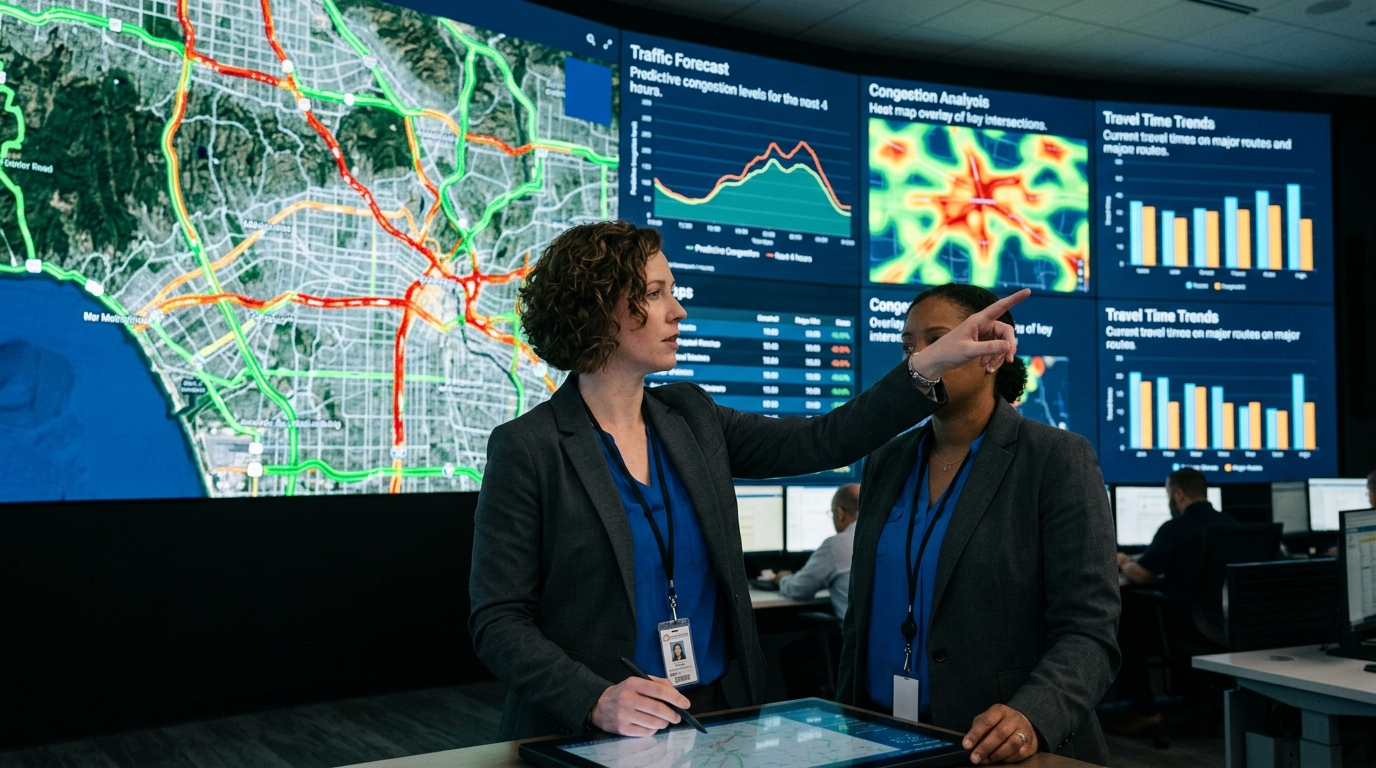
iOS
Android
HERE WeGo stood out during testing because of its offline functionality.
For drivers traveling through rural areas, regions with poor cellular coverage, or international destinations, the ability to download maps in advance provides significant peace of mind. Live traffic data is available when connected, while offline navigation remains highly functional.
This combination makes it particularly useful for long-distance travel.
Excellent offline maps
International coverage
Reliable route guidance
Free
Real-time traffic depth varies by region
Community reporting is limited compared with Waze
Free
Road trips and international driving.
iOS
Android
TruckMap was designed primarily for commercial drivers, but its road-condition awareness tools deserve attention.
During testing, the app provided useful information regarding road restrictions, closures, truck routes, weigh stations, and other roadway factors that may affect larger vehicles. While not intended for every driver, it delivers valuable situational awareness in professional transportation environments.
Specialized road-condition information
Useful route restrictions data
Strong commercial-driver features
Free
Overkill for most passenger vehicle drivers
Interface is geared toward trucking operations
Free
Commercial drivers and RV travelers.
For drivers whose primary goal is avoiding unexpected delays and reacting quickly to changing road conditions, Waze remains the strongest overall recommendation.
Its crowdsourced reporting ecosystem continues to provide some of the fastest real-time incident detection available on any navigation platform. When traffic conditions change suddenly, Waze often delivers actionable information before competing apps have fully updated.
However, different driving scenarios favor different tools:
Best Overall Traffic Monitoring App: Waze
Best All-Around Navigation and Traffic App: Google Maps
Best for Detailed Traffic Analysis: INRIX Traffic Maps & GPS
Best Offline Navigation Solution: HERE WeGo
Best for Commercial Drivers: TruckMap
Many experienced drivers ultimately use both Waze and Google Maps. Waze excels at spotting trouble, while Google Maps often provides the most stable long-distance navigation experience. Together, they form one of the most effective real-time traffic monitoring combinations available today.